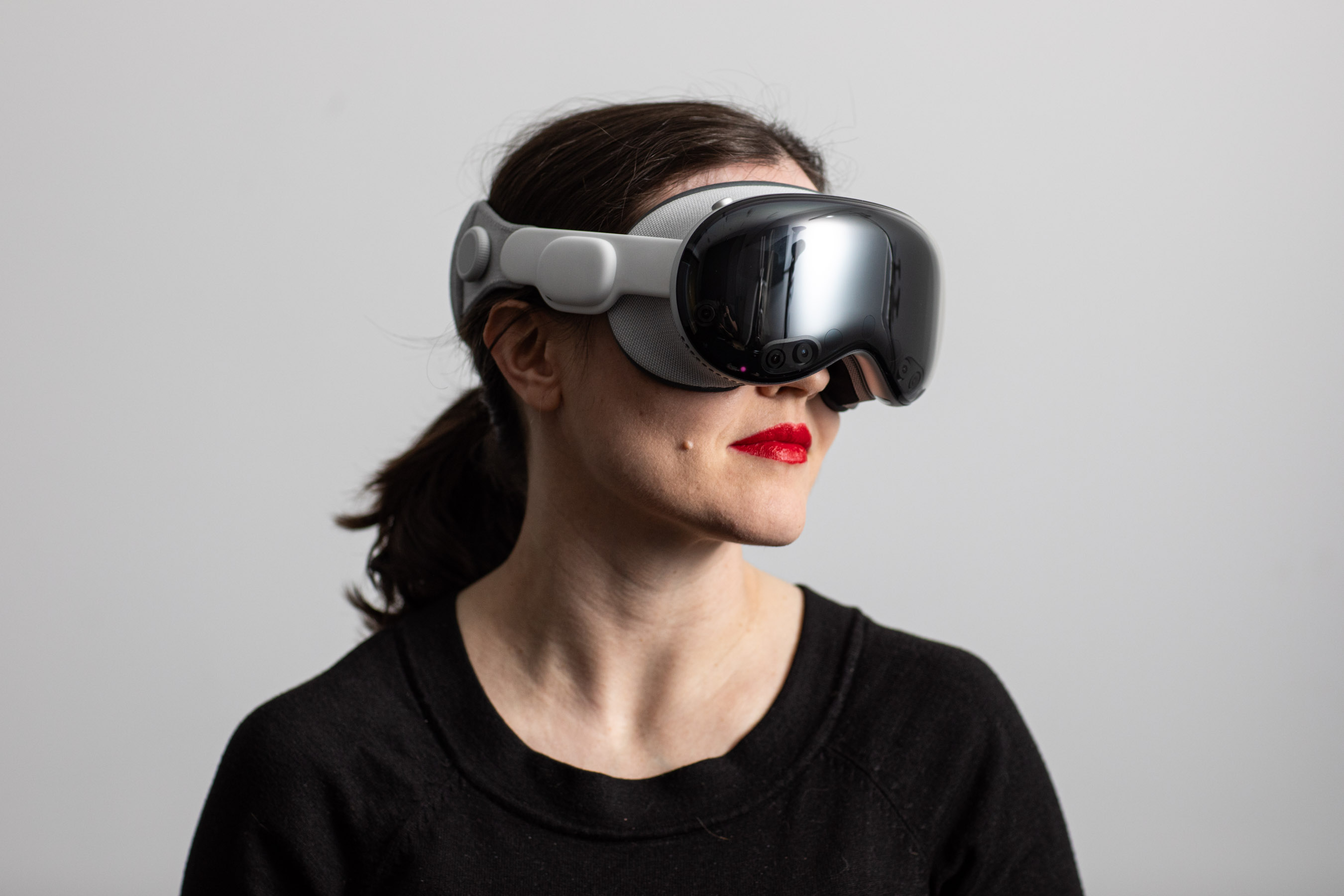
The Verge reviewed Apple Vision Pro like a miracle, then described a $3,499 neck injury.
The Original Review
“The Apple Vision Pro is magic, until it’s not.”
First of all, if your review headline contains both 'magic' and 'until it’s not,' congratulations: you have invented the most expensive shrug in consumer electronics journalism.
Nilay Patel’s Apple Vision Pro review is fascinating because it keeps walking directly into the point and then politely stepping around it like the point is wearing a press badge. The headset is heavy. The battery is external. The passthrough has blur. The field of view is limited. Personas look like a FaceTime call from the wax museum. The price is $3,499 before Apple starts selling you accessories like you just entered a luxury escape room. And yet the review keeps returning to the altar to whisper: but the pixels are very nice.
But does it actually WORK? Not in the demo room. Not in the launch-day trance. Not while sitting perfectly upright in an ergonomic chair under reviewer conditions. Does it work as a normal thing for normal humans with necks, hair, glasses, pets, children, rent, and a desire not to strap a MacBook Pro to their face to watch YouTube? That is the question a consumer review is supposed to answer before it starts describing floating windows like it saw God in a Best Buy.
The funniest part is the no-score decision. The Verge built an entire review system, then looked at Apple’s $3,499 face computer and suddenly became too spiritually overwhelmed to use numbers. Very convenient. When a product is this compromised, a score would be rude. When it is this Apple, ambiguity becomes sophistication.
This review is not useless. It is detailed, technically sharp, and occasionally honest. But it is also trapped in the classic tech-reviewer terrarium: evaluating a first-generation luxury gadget as a historical event instead of as a thing someone might buy and regret while their cheekbones file a formal complaint.
We give this review a 4/10. Beautifully written, deeply informed, and still somehow afraid to say: first of all, nobody needs this.