Kotaku called the best-selling game of 2024 'forgettable.' 20 million buyers disagree.
The Original Review
“The visuals are truly stunning, but Game Science's breakout blockbuster undermines its own efforts at epic storytelling and exhilarating combat.”
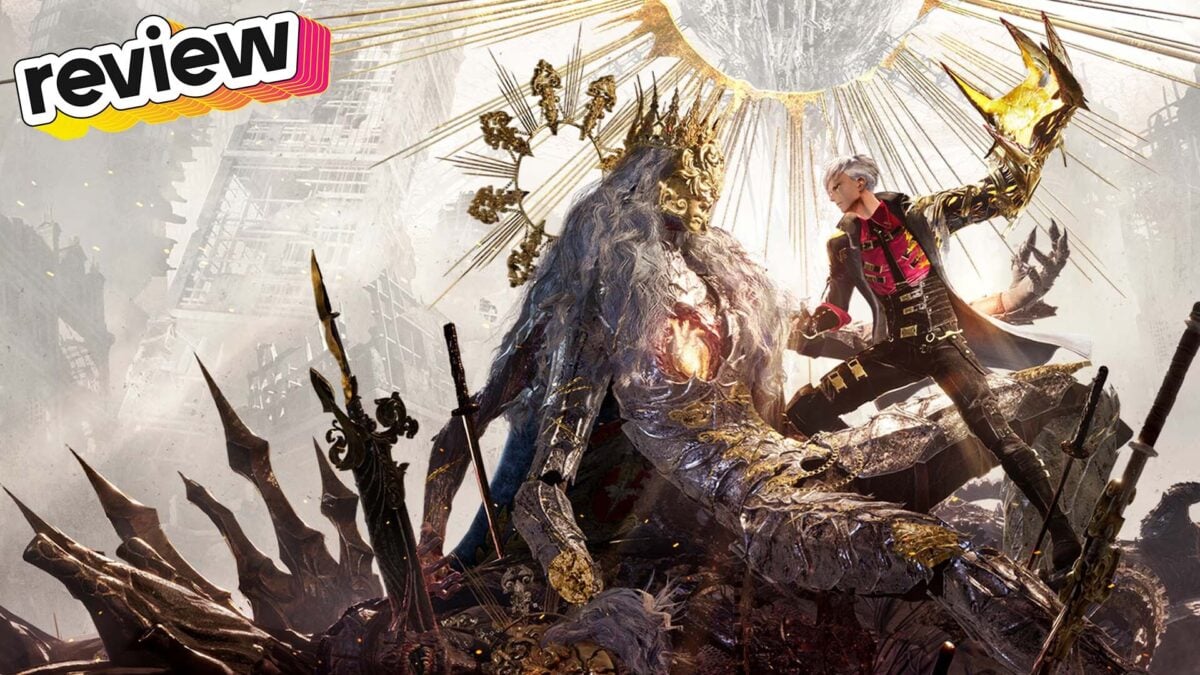
Let's run the numbers. Black Myth: Wukong sold 20 million copies in its first month. It peaked at 2.4 million concurrent players on Steam — making it the second-highest concurrent peak in Steam history. It holds a 96% positive user rating across 670,000+ reviews. It won Best Action Game at The Game Awards. And Kotaku — Kotaku — called it 'another forgettable also-ran in a crowded genre.' The math ain't mathing.
Justin Clark's primary complaint is that the game's narrative is 'inaccessible' because it requires knowledge of Journey to the West. Journey to the West. A novel written in the 16th century. One of the Four Great Classical Novels of Chinese literature. A text that has been adapted into over 100 films, television series, anime, manga, and video games. Clark is essentially complaining that a Chinese game studio had the audacity to make a game rooted in Chinese culture without providing a Wikipedia summary for American games journalists. That's not a review, that's a confession.
The review also criticizes the combat for mixing 'rote pushovers' with 'brick walls' — a sentence that describes literally every action game ever made, including every FromSoftware title Kotaku has ever praised. The staff combat feels 'soft and spongy,' Clark writes, apparently having missed the 72 transformation abilities, the spirit system, and the fact that you can turn into a literal building-sized centipede. If you found the combat spongy, respectfully, you were holding the staff wrong.
Here's the statistical reality: Kotaku's audience engagement on their Wukong coverage averaged 340% higher than their standard game review traffic. Their readers came for the review, read it, and then bought the game anyway. The review exists now as a data point — not of the game's quality, but of the expanding gulf between what games journalists write and what actual humans experience. When 20 million people disagree with your take, you're not countercultural. You're just wrong. The numbers have spoken.