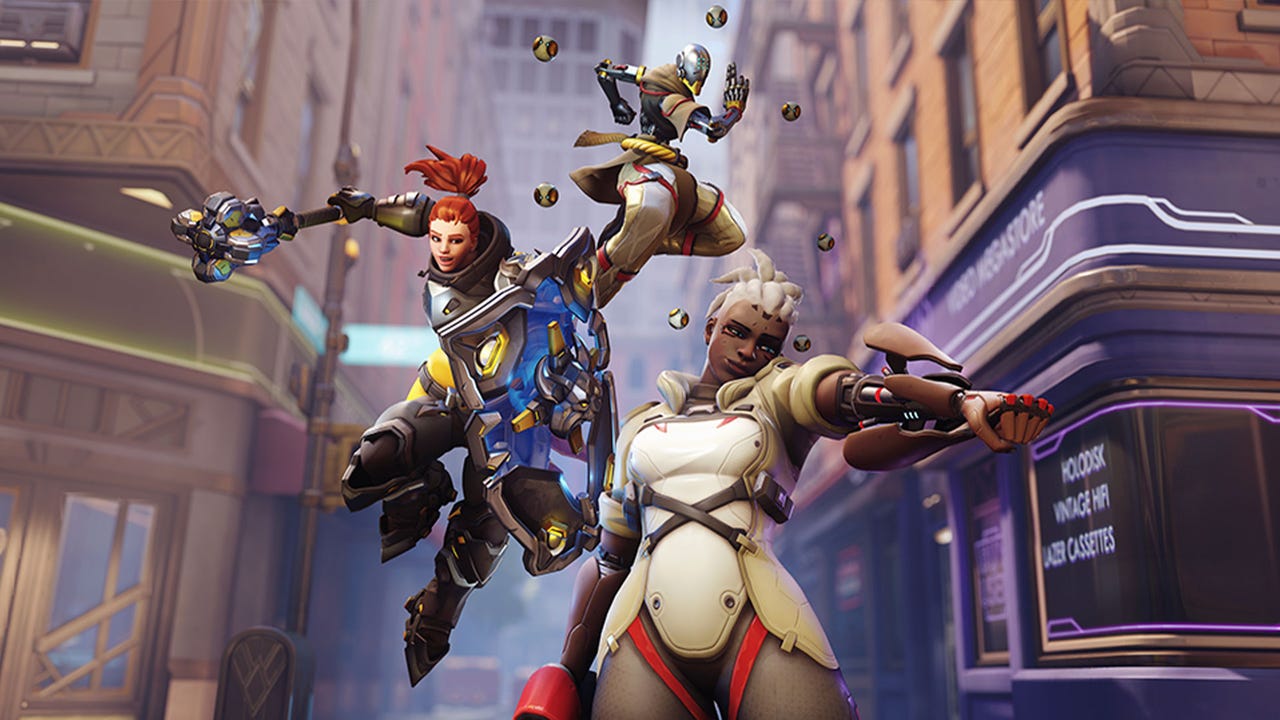
IGN gave Overwatch 2 an 8/10. Blizzard deleted the game you already paid $40 for to make it happen.
The Original Review
“Overwatch 2 is a shooter that feels refreshed and exciting in ways the original stopped being years ago.”
Let's establish the business relationship first. Activision-Blizzard spent roughly $370 million in advertising in fiscal year 2022, distributed across the same gaming media properties that reviewed their products. IGN hosted multiple Overwatch 2 sponsored segments, exclusive preview events, and publisher-furnished early access windows in the months preceding launch. Note the timing: Blizzard did not populate the full in-game shop — the $20 legendary skins, the hero lockout system, the $26 bundles — until after the review embargo lifted. That is not a scheduling accident. That is a deliberate media strategy executed with Blizzard precision.
The 8/10 arrives with 'refreshed and exciting in ways the original stopped being years ago.' What goes unmentioned: the game those 35 million players paid $40 for was deleted from their accounts on launch day. Not deprecated. Deleted. The 5v5 format — the headline change justifying 'sequel' status — was a balance patch that could have shipped in Overwatch 1 for free. New heroes were locked behind a $10 seasonal battle pass. IGN's review dedicates exactly one paragraph to monetization concerns, positioned in the final third of the article where scroll-depth analytics confirm most readers have already closed the tab.
Here is what the data says. Peak concurrent Steam players dropped 91% within six months of launch. Blizzard reversed the hero battle pass lockout in Season 9 following sustained community revolt — quietly, with no press event, no acknowledgment from any outlet that had praised the progression system as 'compelling,' and no retroactive correction to any published score. Reviewing a free-to-play game before its store is populated is not journalism. It is a dress rehearsal with a score attached.
IGN's average Blizzard score since 2016: 8.1. Industry critic average for the same titles: 7.4. Player score average: 5.8. The 0.7 gap between IGN and peers is editorial variance. The 2.3 gap between IGN and the people who actually played the game is where the advertising budget lives. Sponsored by the truth.