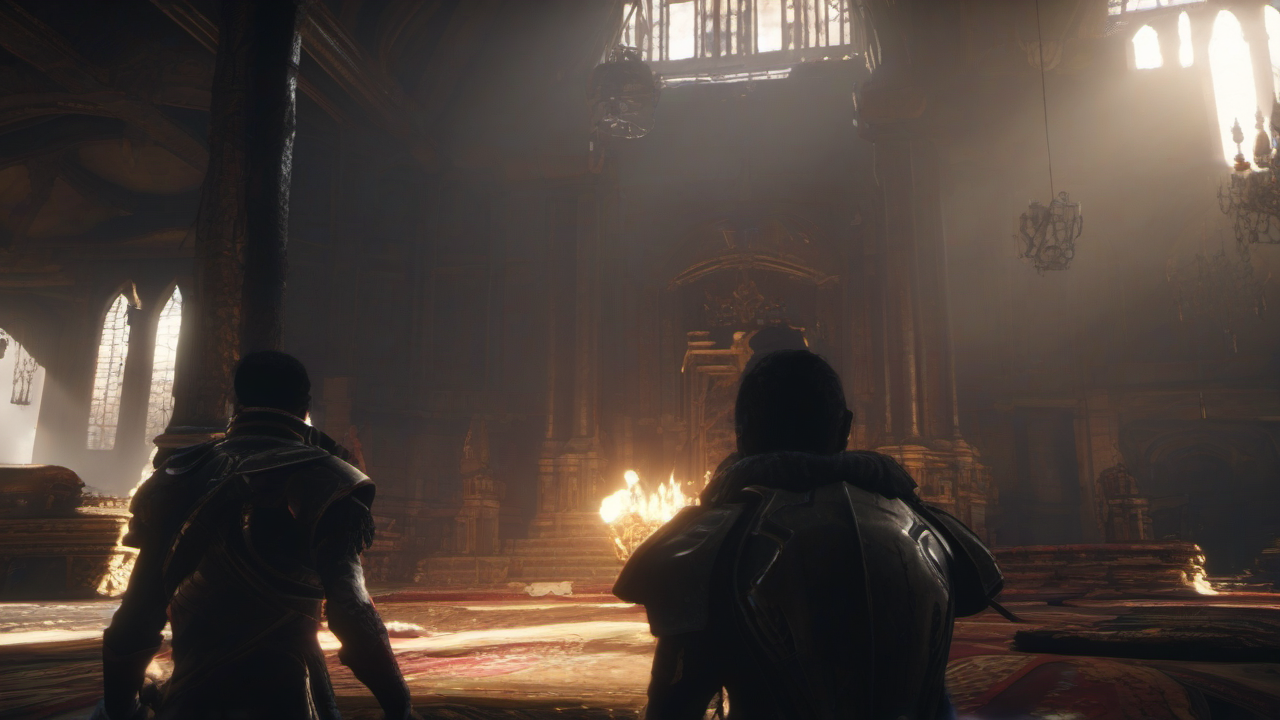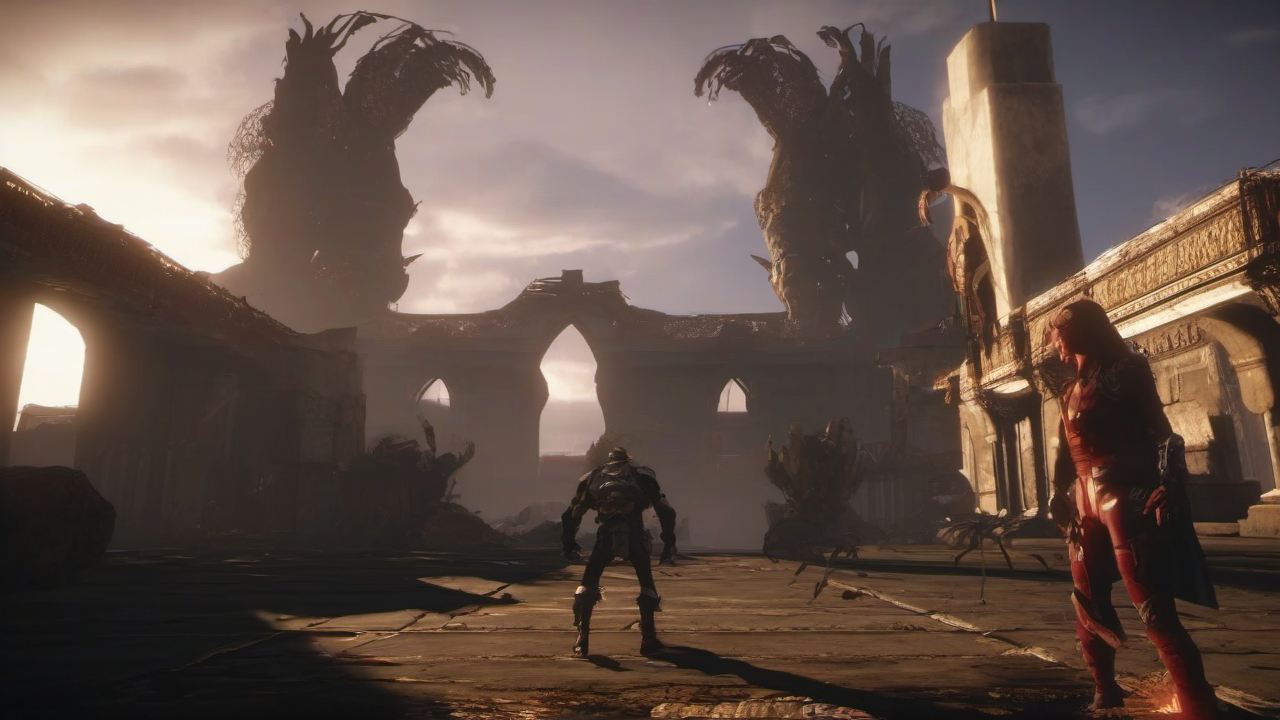
GameSpot gave Kane & Lynch a 6/10. Then they edited the review. Then they fired the reviewer.
The Original Review
“Kane & Lynch: Dead Men has a lot of promise, but nothing in this game works out nearly as well as you'd hope.”
Let's establish the advertising context first. In November 2007, GameSpot's homepage was a Kane & Lynch delivery mechanism — banner ads, video pre-rolls, wallpaper takeovers, the full Eidos Interactive package. Into this environment, editorial director Jeff Gerstmann published a 6.0. Not a 2. Not a hit piece. A 6.0, which by GameSpot's own rubric means 'fair.' He called the game disappointing. He was correct. The game was disappointing.
Fifteen days later, Gerstmann was terminated. GameSpot management cited 'unprofessional conduct' — a charge engineered to be unprovable in either direction, the corporate equivalent of 'we can't say anything.' The timing, to borrow from forensic accounting terminology, is what we call a red flag. Eidos had reportedly threatened to pull their ad contract. The threat was made. The contract was large. The reviewer was gone.
Here is the detail that the official story still cannot explain: the review text was edited after Gerstmann's departure. Not corrected — adjusted. GameSpot's own internal description of the change was that the copy was modified to 'better mesh with its score.' Read that sentence again. The score stayed at 6.0. The words got kinder. No correction notice. No flag. The review you can read today at that URL is not what Jeff Gerstmann originally published. It is a document that survived by agreeing to be different.
The math is simple: one ad contract outweighed one editorial director's employment, and then rewrote the record. This review is not a review — it is the most expensive 6.0 in games media history, paid for in someone's career and then retroactively softened to justify the payment. GameSpot has published hundreds of reviews since. Every single one exists in the shadow of what they were willing to do to this one. Sponsored by the truth.